
GUIDE / PROJECT TIMING
What determines a construction or remodeling timeline?
ARCHE GROUP / UNDERSTAND PROJECT TIMELINES
A construction timeline is a sequence of dependencies: design information, approvals, purchasing, site readiness, execution and closeout. Ask what must happen before each milestone rather than relying on an unsupported completion date.
At a glance
A construction timeline is a sequence of dependencies: design information, approvals, purchasing, site readiness, execution and closeout. Ask what must happen before each milestone rather than relying on an unsupported completion date.
Distinguish the dates being discussed
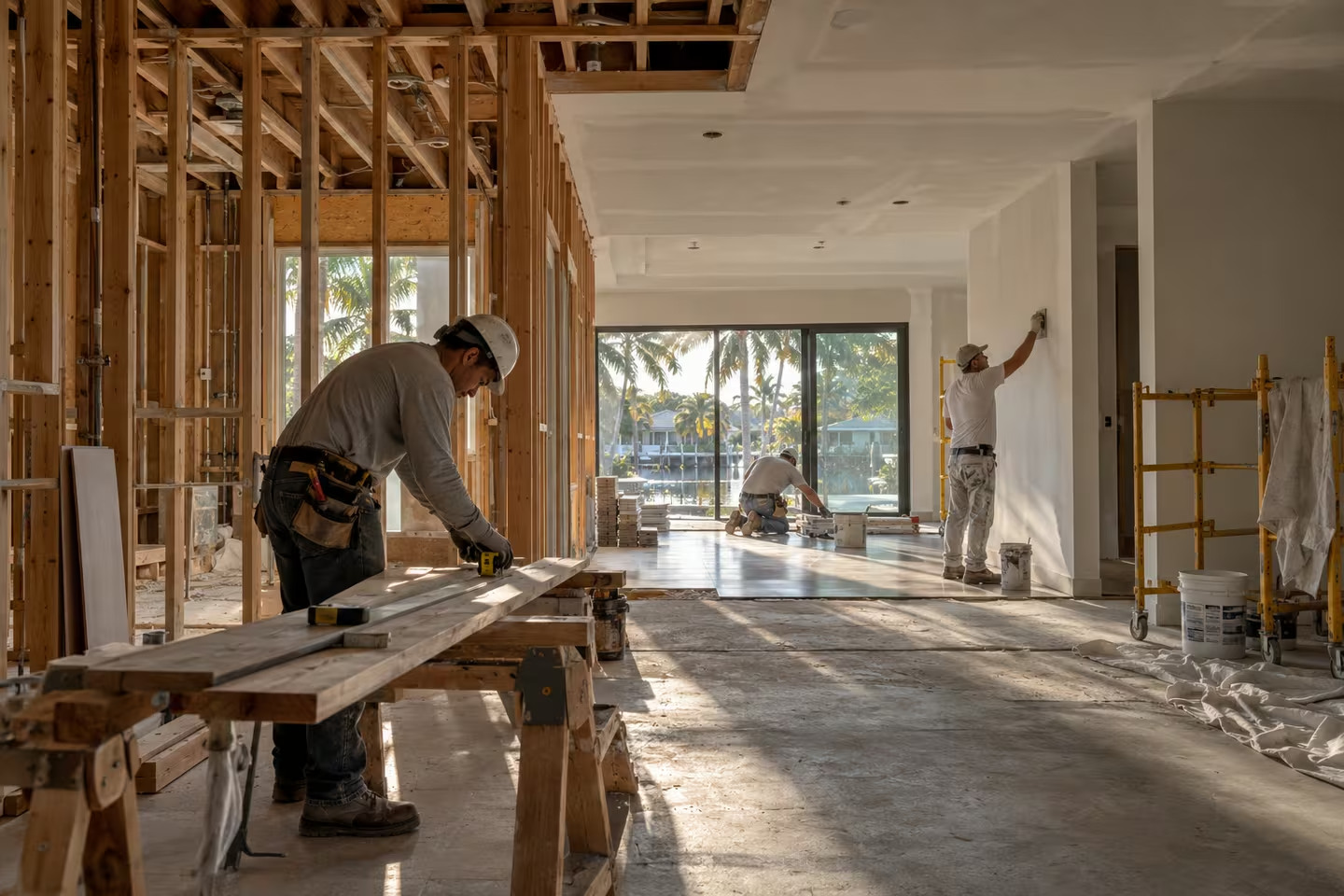
A bid deadline, target mobilization, field completion and permission to occupy are different milestones. Name the event attached to each date and identify who controls the inputs. Do not treat an estimated construction duration as the full period from first inquiry to occupancy.
Our construction process describes the sequence ARCHE GROUP uses to discuss a project. The agreed scope, actual documents and readiness conditions determine the schedule for an engagement.
Plan information and decisions before activities
Ask the project team which drawings, details and selections are required for each upcoming activity. Assign an owner and a needed-by date to open decisions. A schedule cannot resolve an unanswered design question simply by placing installation on a calendar.
Illustrative example: an office renovation may need a confirmed layout before equipment positions can be coordinated. If the layout changes after purchasing, the team must review both the new work and the effects on material orders.
Track approval stages separately
Record whether an application is being prepared, submitted, under review, awaiting a response or issued. Identify who answers comments and who maintains the current approved set. A submission receipt is not an issued permit.
Miami-Dade’s official procedures describe initial submissions, corrections, revisions and inspection arrangements. Follow the authority responsible for the actual property; do not apply a county process automatically to every city project.
Build procurement into the sequence
Record the required-on-site date, selection approval and confirmed availability for products that influence upcoming work. Clarify who purchases each item, receives it and checks it. Avoid booking an installation solely around an unconfirmed catalog lead time.
Owner-supplied fixtures or equipment still need coordination. Ask what information the contractor needs before proceeding with related work and what happens if an item changes or arrives late.
Discuss access, phasing and interruptions
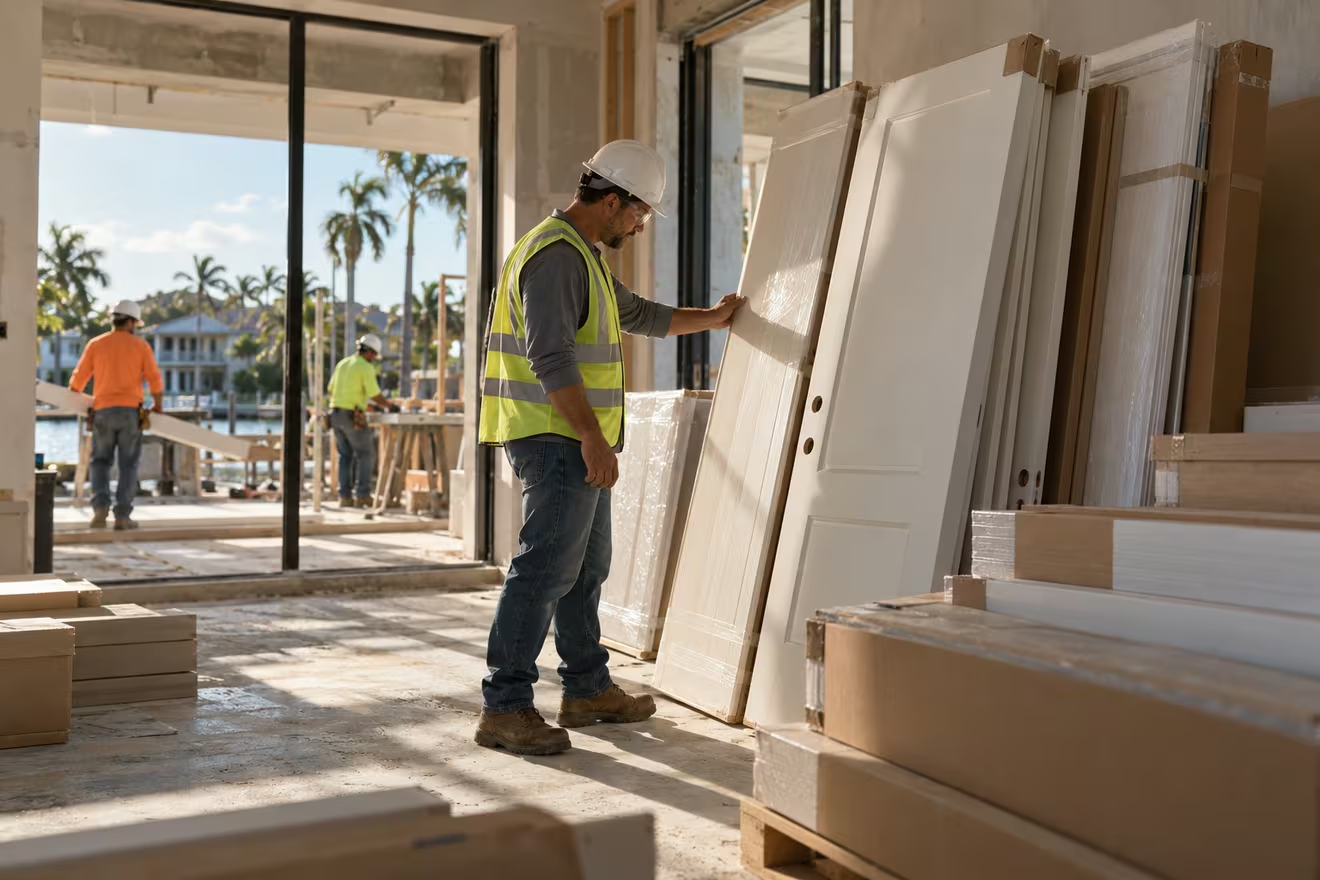
An occupied residence, operating restaurant or hotel may require agreed work areas, access windows and temporary arrangements. Identify dependencies between trades and any activities that cannot happen together. Record how site conditions, weather-sensitive work and changes will be reviewed.
For commercial construction, ask what must be completed before an area is handed back to operations. An internal business opening target should not be represented as a confirmed authority approval.
Keep a decision and change log
A useful update explains completed work, the next activities, unresolved constraints and decisions needed from each party. When scope changes, request an assessment of price, procurement and sequence before assuming the original completion date remains achievable.
- Milestone and current basis
- Preceding approval or activity
- Responsible person and required decision
- Material or access dependency
- Effect of an unresolved item and proposed next step
Include closeout from the beginning
Agree the expected handover information, outstanding-item process and applicable inspection or occupancy milestones. Ask who verifies each requirement and how completion is recorded. No standard duration is promised here.
Use preconstruction, permits and responsibilities to review readiness before asking ARCHE GROUP for project-specific timing.
Sources & further reading
Primary references for this general project-planning guide. The project contract and the authority responsible for the property determine the actual requirements.
LET’S TALK ABOUT YOUR PROJECT
YOUR NEXT PROJECT.
A CLEAR FIRST STEP.
Share your plans, project location and bid deadline.
Let’s begin with the scope that matters.