
GUIDE / CLEAR ROLES
Architect and contractor: different responsibilities in one project
ARCHE GROUP / ARCHITECT & CONTRACTOR ROLES
Architectural design and construction execution are separate roles connected by the project documents. Agree who prepares design information, who can approve changes and how the contractor obtains answers before pricing or building the work.
At a glance
Architectural design and construction execution are separate roles connected by the project documents. Agree who prepares design information, who can approve changes and how the contractor obtains answers before pricing or building the work.
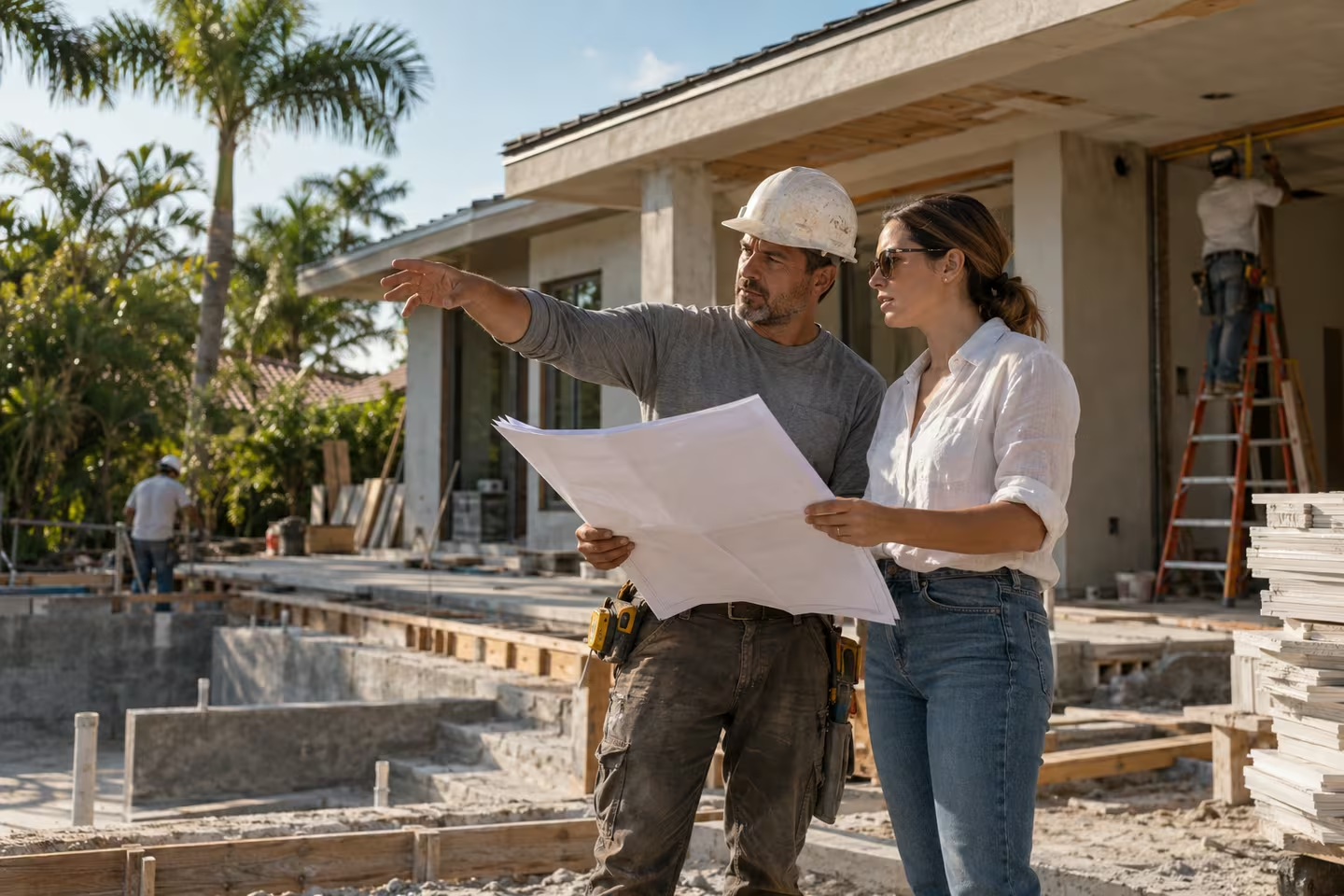
Start with the agreements, not the job titles
The actual services depend on the professionals’ appointments, the construction contract and applicable requirements. Do not assume an architect administers the construction contract, certifies payments or provides continuous site supervision unless that service is agreed. Equally, do not assume a contractor’s estimate includes completing missing architectural design.
For ARCHE GROUP, the business brief is explicit: architectural design comes from other companies. The intended client already has architectural information and needs a contractor to estimate and execute the work.
Keep design decisions with the responsible team
Identify the architect and relevant consultants, the current document set and the person authorized to respond to design questions. Ask how revisions are issued and which documents are suitable for the next project stage. A design illustration, permit submission and current construction instruction may serve different purposes.
Miami-Dade’s procedures state that design professionals provide digitally signed and sealed plans for the described electronic submission process. Check the requirements of the actual jurisdiction and document type rather than generalizing that procedure to all files.
Clarify the contractor’s construction scope
The contractor reviews available documents and site information to define a proposal and plan the agreed construction work. Ask who coordinates trade input, purchasing, site communication and the agreed closeout requirements. Record the scope in the contract rather than assuming a service from a website description.
Residential remodeling and commercial construction involve different property and operating conditions, but both benefit from a visible route for questions and owner decisions.
Use a documented question-and-answer handoff
When a drawing and site condition appear inconsistent, describe the location, attach the relevant reference and ask the responsible professional for direction. Record the response with its date and revision. Confirm whether it changes the scope, price, procurement or sequence before incorporating it.
Illustrative example: a field measurement differs from the dimension needed for a specified assembly. The contractor flags the discrepancy; the responsible design professional reviews the design response; the owner reviews any resulting commercial change through the agreed process. This example does not assign legal duties for a specific contract.

Make owner responsibilities visible
Name the person who can authorize selections and contractual changes. Keep design instructions, commercial approval and scheduling consequences connected without treating one approval as automatically covering the others. Identify who supplies information on access, occupancy, building rules and owner purchases.
- Who answers design questions?
- Who can authorize a change to the construction contract?
- Who issues and distributes the latest documents?
- Who confirms the required approval pathway?
- Who tracks owner selections and supplied equipment?
- Who assembles the agreed closeout information?
Verify identities and experience separately
Check professional and contractor records through the relevant official channels. Florida DBPR’s construction guidance explains the relationship between a licensed individual and the business they qualify. Do not infer a company credential from an individual’s unrelated project history.
ARCHE GROUP is a new business. Experience earned by its leadership under other contractors should identify the original company and the individual role. Illustrative website scenes do not establish completed company projects.
Know when to invite ARCHE GROUP to bid
When you have architectural plans, a defined construction opportunity and a contact for design questions, prepare the construction bid package checklist. Include the property, document revision, intended scope and bid deadline. The team can then discuss what is available to estimate and which questions remain before a proposal.
Sources & further reading
Primary references for this general project-planning guide. The project contract and the authority responsible for the property determine the actual requirements.
LET’S TALK ABOUT YOUR PROJECT
YOUR NEXT PROJECT.
A CLEAR FIRST STEP.
Share your plans, project location and bid deadline.
Let’s begin with the scope that matters.